
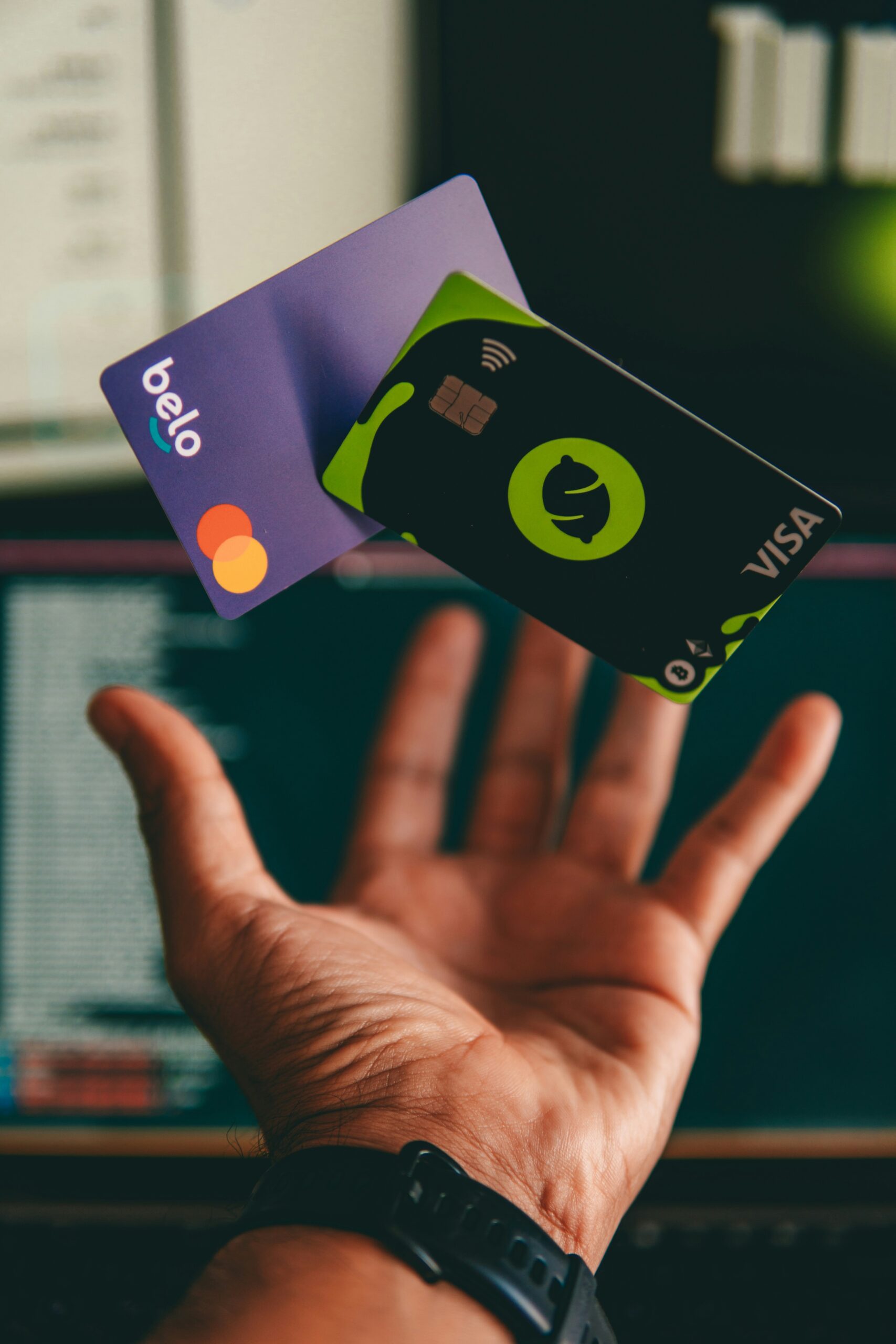
Financial services in 2026 looks nothing like 2016. We’ve moved past neobanks challenging incumbents to something more fundamental: finance becoming invisible infrastructure embedded everywhere, crypto graduating from speculation to utility, and AI transforming everything from lending decisions to fraud detection.
Here’s what’s actually changing – and where the opportunities lie.
1. Embedded Finance: Finance Becomes Invisible
The biggest fintech trend isn’t a new app – it’s finance disappearing into everything else.
What Embedded Finance Means
Rather than going to a bank or fintech app, financial services happen exactly where you need them:
- Buy a car → financing appears in the dealership checkout
- Run a marketplace → sellers get instant access to working capital
- Deliver food → drivers get earned wage access between shifts
- Sell software → subscription billing and payments are native features
The defining characteristic: you’re not aware you’re using financial services. It just works.
Categories of Embedded Finance
Embedded payments
- Stripe, Adyen, and others enabling any company to accept payments
- Buy now, pay later (BNPL) integrated at checkout
- Digital wallets becoming infrastructure, not destinations
- Cross-border payments happening invisibly
Embedded lending
- E-commerce platforms offering seller financing
- Gig economy apps providing instant pay advances
- B2B marketplaces offering invoice financing
- Point-of-sale consumer credit
Embedded banking
- Companies offering bank accounts to customers/employees
- Payroll systems with integrated savings accounts
- Expense management with embedded corporate cards
- Banking-as-a-service enabling any brand to offer banking
Embedded insurance
- E-commerce checkout includes shipping insurance
- Ride-sharing apps provide automatic coverage
- Travel bookings bundle trip insurance
- Gig platforms offer on-demand workers’ compensation
Why This Matters
The companies winning embedded finance aren’t banks – they’re infrastructure providers enabling ANY company to offer financial services. Market size: essentially every B2B and B2C company becomes a potential customer.
Opportunities exist in:
- Compliance infrastructure (KYC, AML as APIs)
- Risk underwriting platforms
- Treasury and capital management
- Multi-rail payment orchestration
2. Digital Banking: Beyond the Neobank
The first wave of neobanks (Monzo, Revolut, Chime) proved digital-only banking works. The second wave is more sophisticated.
Vertical Banking
Generic digital banks are being displaced by banks built for specific customer segments:
SME banking
- Mercury, Relay, Tide: built specifically for startups and SMEs
- Integrated accounting, invoicing, tax management
- Cash flow forecasting and financial planning
- Multi-entity structures for international businesses
Creator banking
- Platforms understanding creator income volatility
- Revenue-based advances against future earnings
- Integrated tax planning for self-employed
- Tools for managing multiple income streams
Immigrant banking
- Accounts opened without traditional credit history
- Low-cost international remittances
- Multi-currency accounts for transnational lives
- Financial education in multiple languages
Wealth-focused banking
- High-yield savings competing with traditional wealth management
- Integrated investment platforms
- Tax-loss harvesting automation
- Estate planning and trust services
Banking Infrastructure Evolution
The picks-and-shovels enabling digital banking:
Banking-as-a-Service (BaaS)
- Licensed banks providing infrastructure to non-banks
- API access to accounts, cards, payments, lending
- Regulatory compliance handled by the platform
- Players: Stripe Treasury, Unit, Synapse, Griffin
Core banking platforms
- Replacing 1970s mainframes at traditional banks
- Cloud-native, API-first architecture
- Enabling rapid product launches
- Players: Thought Machine, Mambu, 10x Banking
3. Crypto: From Speculation to Infrastructure
2026 marks a turning point: crypto moving from “why would anyone use this?” to “how do we integrate this?”
Real Use Cases Emerging
Cross-border payments
- Stablecoins for international business payments
- Instant settlement vs 3-5 days with SWIFT
- Lower fees (0.1% vs 3-5%)
- 24/7 availability vs banking hours
Tokenisation of real-world assets
- Real estate fractionalization enabling $100 investments
- Art and collectibles with provable ownership
- Private company shares trading on secondary markets
- Invoice financing through tokenisation
Decentralised finance (DeFi) infrastructure
- Lending and borrowing without intermediaries
- Automated market making replacing traditional exchanges
- Yield generation on stablecoin deposits
- Collateralised lending with instant settlement
Programmable money
- Smart contracts automating complex financial logic
- Conditional payments (only releases when conditions met)
- Automated compliance and reporting
- Streaming payments (pay-per-second for services)
What Changed
Three developments made crypto viable for mainstream finance:
- Regulatory clarity – MiCA in EU, frameworks emerging globally
- Institutional custody – Major banks offering crypto custody services
- Stablecoin maturation – USD-backed coins providing crypto benefits without volatility
Investment Opportunities
- Compliance infrastructure – Tools for regulatory reporting and tax
- Institutional bridges – Connecting traditional finance to crypto rails
- Enterprise wallets – Treasury management for companies holding crypto
- Tokenisation platforms – Making real-world assets programmable
4. Lending Innovation: Beyond FICO Scores
Credit scoring hasn’t fundamentally changed since the 1950s. That’s finally shifting.
Alternative Credit Underwriting
Cash flow underwriting
- Analysing bank transaction data directly
- Understanding true affordability, not just credit history
- Serving the “credit invisible” (no traditional score)
- Real-time assessment of repayment ability
Behavioural data
- Payment patterns on utilities, rent, subscriptions
- Professional credentials and employment stability
- Education and skills as creditworthiness signals
- Social proof (but carefully, to avoid discrimination)
AI-powered underwriting
- Models finding patterns traditional scoring misses
- Predicting default risk more accurately
- Personalised interest rates based on actual risk
- Continuous re-underwriting as circumstances change
New Lending Models
Income share agreements (ISAs)
- Repayment as percentage of income
- Popular in education and skills training
- Aligns incentives (lender succeeds when borrower succeeds)
- Growing beyond education into other areas
Buy now, pay later evolution
- Moving beyond consumer retail into B2B
- Longer repayment terms for larger purchases
- Embedded in software checkout flows
- Subscription-based models emerging
Revenue-based financing
- For companies with recurring revenue
- Repayment scales with business performance
- No dilution for founders
- Faster than equity fundraising
5. Regulatory Technology (RegTech)
As fintech grows, so does regulatory scrutiny. RegTech solves compliance problems at scale.
Core Categories
Identity verification and KYC
- Instant identity checks via AI and government databases
- Biometric verification (face, voice, fingerprint)
- Continuous monitoring instead of point-in-time checks
- Fraud detection catching synthetic identities
Anti-money laundering (AML)
- Transaction monitoring for suspicious patterns
- Risk scoring based on behaviour and connections
- Automated regulatory reporting
- Real-time sanctions screening
Compliance automation
- Tracking regulatory changes across jurisdictions
- Automated policy updates when rules change
- Audit trail generation for regulators
- Stress testing and scenario modeling
Fraud prevention
- Real-time fraud detection using machine learning
- Device fingerprinting and behavioural biometrics
- Network analysis finding fraud rings
- Account takeover prevention
Why RegTech is Massive
Every fintech company is a customer. Many traditional financial institutions are too. The pain is real:
- Banks spend 4-10% of revenue on compliance
- Manual processes are slow and error-prone
- Regulatory penalties can be existential
- Customers expect instant onboarding
RegTech that works saves money, reduces risk, and improves customer experience simultaneously.
6. Wealth Management Democratisation
Investment advice and wealth management are being democratised through technology.
Robo-Advisors Evolution
First generation (Betterment, Wealthfront) offered basic diversified portfolios. Second generation is smarter:
Tax optimisation
- Automated tax-loss harvesting year-round
- Asset location across account types
- Roth conversion planning
- Charitable giving optimisation
Personalisation
- Values-based investing (ESG, religious, political)
- Life-stage appropriate strategies
- Custom risk tolerance modeling
- Goal-based investing (house, retirement, education)
Hybrid models
- Robo-advisor as default, human advisor on demand
- AI handles routine, humans handle complex
- Lower fees than pure human advisory
- Better outcomes than pure robo
Fractional Investment Platforms
Fractional shares
- Own $10 of Google instead of needing $100+
- Portfolio construction with any budget
- Dividend reinvestment on small holdings
Fractional real estate
- REITs on steroids – specific properties, not funds
- Own a piece of commercial buildings
- Receive proportional rental income
- Diversification across property types and geographies
Alternative assets
- Art, wine, watches, collectibles
- Previously accessible only to wealthy
- Provenance and authenticity verified
- Liquid secondary markets emerging
7. Geographic Opportunities: Africa and Southeast Asia
The most explosive fintech growth isn’t happening in New York or San Francisco.
Africa: Leapfrogging Traditional Banking
Mobile money dominance
- M-Pesa and competitors serve hundreds of millions
- Many users’ first financial account is mobile
- Remittances, bill pay, savings all via mobile
Agent banking networks
- Local shops becoming cash-in/cash-out points
- Banking access without physical branches
- Significantly lower operational costs
Embedded finance in agriculture
- Input financing for smallholder farmers
- Crop insurance triggered by weather data
- Market access and fair pricing
- Financial inclusion for rural populations
Southeast Asia: Super Apps and Digital Banking
Super app ecosystem
- Grab, Gojek, Sea: transport + payments + lending + insurance
- Everything in one app, powered by financial services
- Cross-selling opportunities massive
Digital banking licenses
- Singapore, Malaysia, Philippines issuing digital-only bank licenses
- New entrants challenging incumbents
- Massive unbanked/underbanked populations
Remittance corridors
- Massive worker remittances within region
- Traditional providers charging 5-10%
- Digital solutions offering <1%
- Huge market, clear value proposition
8. Business Model Innovation
Successful fintech in 2026 isn’t about better UX on the same model – it’s new business models entirely.
Interchange-Free Models
Traditional fintech makes money from interchange fees (merchants pay 1-3% per transaction). Problems:
- Merchants hate paying fees
- Regulators increasingly capping interchange
- Commoditisation driving fees to zero
New models:
- Software subscriptions – Charging merchants for features, not transactions
- Data monetisation – Aggregated insights sold to brands
- Financial products – Revenue from lending, not payments
- Premium tiers – Consumer subscriptions for better features
Network Effects
The most defensible fintech businesses have network effects:
Two-sided marketplaces
- More buyers attract sellers; more sellers attract buyers
- Examples: PayPal, Stripe Connect, Wise
Data network effects
- More users → better models → better product → more users
- Examples: Plaid, Credit Karma, fraud detection platforms
Ecosystem effects
- Multiple products becoming stickier together
- Examples: Square ecosystem, Shopify financial services
Risks and Challenges
Regulatory Backlash
Success attracts scrutiny. As fintech grows, expect:
- Stricter capital requirements
- Limitations on data usage
- Interest rate caps on lending
- Enhanced consumer protection requirements
Economic Downturn Impact
Many fintech models haven’t been stress-tested through recession:
- Lending portfolios with higher defaults
- Transaction volumes declining
- Customer acquisition costs rising
- Fundraising becoming difficult
Incumbents Fighting Back
Traditional banks aren’t rolling over:
- Launching their own digital offerings
- Acquiring successful fintechs
- Lobbying for favourable regulation
- Leveraging existing customer relationships
Technical Debt
Rapid growth creates problems:
- Legacy systems becoming bottlenecks
- Security vulnerabilities
- Scalability issues
- Integration complexity
Bottom Line
Fintech in 2026 isn’t about building better banks – it’s about making finance invisible infrastructure powering everything else. The winners will be:
- Infrastructure providers enabling embedded finance
- Vertical specialists solving specific segment needs
- RegTech platforms managing compliance at scale
- Geographic leaders in Africa and Southeast Asia
- Business model innovators finding sustainable economics
The first wave of fintech proved digital-only works. The second wave is about integration, sophistication, and sustainable business models.
The opportunity remains enormous – financial services is a $20+ trillion industry, and most of it hasn’t been meaningfully disrupted yet.